Walk into the back office of a small manufacturer in India, a growing distributor in Southeast Asia, or a family-run trading company in the Middle East, and there's a good chance you'll see the same green-and-gray interface on a computer screen: Tally ERP 9.
Unlike flashy project management tools or design software, Tally isn't about creativity or collaboration in the traditional sense. It's about order, compliance, and financial truth. It’s the silent, robust engine room of a business—less concerned with a beautiful dashboard and wholly focused on ensuring every rupee, invoice, and inventory item is accounted for with precision. Having seen it in action, here's my perspective on where this decades-old powerhouse fits in the modern tool stack.
The Core Promise: Why Businesses Swear By It
Tally’s dominance, especially in the Indian subcontinent and emerging markets, isn't an accident. It’s built on a few rock-solid pillars:
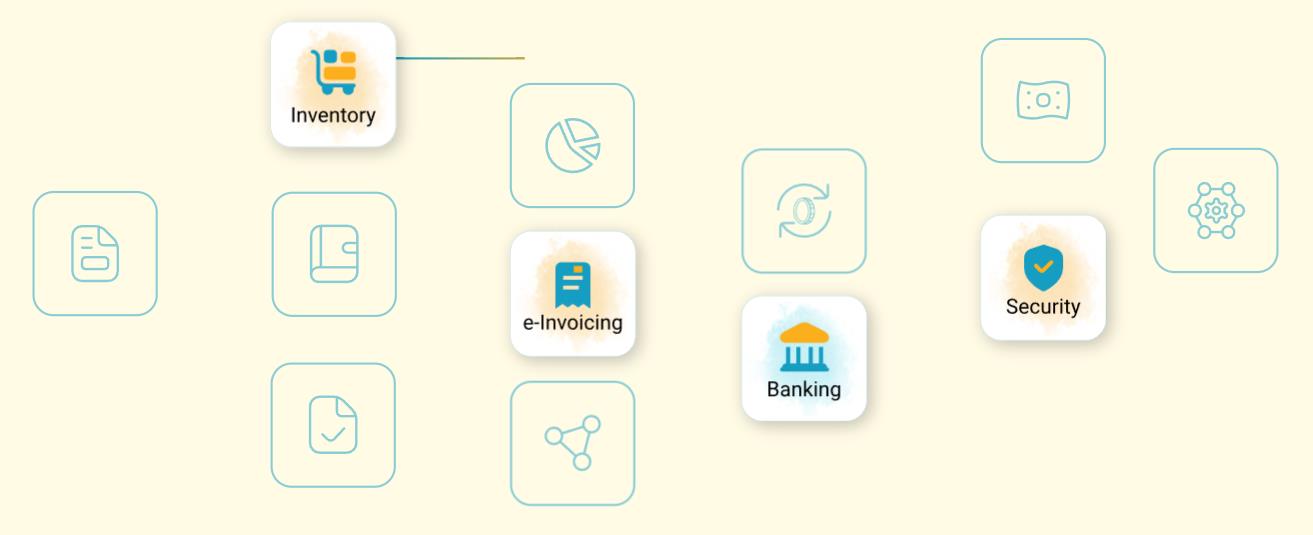
1. It Speaks the Language of Local Compliance. This is Tally's killer feature. It doesn't just do generic accounting; it has GST (Goods and Services Tax) calculation, e-invoicing, and tax filing baked into its core. For businesses in India, this is non-negotiable. The software is updated to reflect the latest tax laws, which in complex regulatory environments, is worth its weight in gold. It removes a massive layer of anxiety for business owners.
2. It’s Shockingly Robust for Inventory & Accounting. Tally treats inventory and accounting not as separate modules but as two sides of the same coin. When you create an invoice, your stock levels automatically update, and your ledgers are impacted simultaneously. This single-entry, dual-effect principle ensures data integrity and eliminates a whole class of reconciliation errors common in other systems.
3. It Works Where the Internet Doesn't. Tally is primarily an on-premise desktop application. In areas with unreliable internet, this is a feature, not a bug. Businesses can operate uninterrupted. Data is stored locally, which also appeals to those cautious about cloud security. Modern versions offer cloud connectivity, but its offline-first DNA is key to its trust factor.
The User Experience: Functional, Not Fancy
Let's be clear: You don't "enjoy" using Tally in the way you might enjoy a slick web app. The interface is text-based and keyboard-driven. Mastery involves learning shortcut keys (like `F4` for a Contra voucher, `F5` for a Payment voucher). For power users, this allows for blisteringly fast data entry once memorized. For newcomers, it feels like a steep cliff face.
This leads to the biggest modern critique of Tally: It feels like a product from another era. The user experience isn't intuitive or guided. It assumes you already know accounting principles and just need a fast, accurate tool to execute them. There's little hand-holding.
Who Is Tally For? The Clear-Cut Cases
Small and Medium Businesses (SMBs) in India: This is its home turf. If your business must comply with Indian GST, Tally is often the default, prudent choice. The ecosystem of local CPAs who know Tally inside-out is vast.
Trading, Distribution, and Manufacturing Businesses: Any business with complex inventory needs alongside accounting benefits immensely from Tally’s integrated approach.
Businesses Prioritizing Data Control & Offline Access: For those who want their financial data on their own servers and need 24/7 access regardless of internet, Tally’s model is perfect.
Who Should Look Elsewhere?
Service-Based or Digital-First Companies: If you sell hours, software subscriptions, or digital products with no physical inventory, Tally is likely overkill. Simpler invoicing tools like Zoho Invoice or FreshBooks would be more efficient.
Businesses Needing Deep Collaboration or Mobility: Tally is not a real-time, multi-user collaborative platform like QuickBooks Online. Its remote access solutions can feel clunky compared to native cloud systems.
The Design-Sensitive or Non-Accountant User: If you need an intuitive, visually guided interface, Tally will frustrate you. Platforms like Wave Accounting (free) or Xero offer a much gentler onboarding.
The Verdict: A Specialized Tool for a Specific World
Tally ERP 9 is not for everyone. It's a specialized compliance and inventory-accounting engine for a specific set of business realities.
I don't recommend it to a freelance graphic designer in Berlin. But I would absolutely understand why a textile exporter in Gujarat relies on it completely. Its value isn't in its user interface or modern SaaS features; it's in providing a bullet-proof, compliant, and integrated financial record for businesses operating in complex, inventory-heavy environments.
In the global tool stack, it serves as a powerful reminder that the "best" tool is entirely dependent on context. For millions of businesses, Tally isn't just software; it's the foundational system of financial truth.
Considering Tally? Ask yourself one question above all: is navigating local tax compliance a core, daily challenge for my business? If the answer is a resounding "yes," then exploring Tally’s depth is not just an option—it might be a necessity.